
Whether you’re heading into the mountains for a weekend camping trip, trekking deep into the backcountry, or preparing for unexpected emergencies, one thing remains true: your survival camping tool kit can mean the difference between comfort and crisis. Nature is unpredictable, and even experienced campers can encounter sudden weather changes, equipment failures, or unexpected injuries. Having the right survival gear isn’t about expecting disaster—it’s about being prepared for whatever the wilderness throws your way.
A well-designed survival camping tool kit combines versatility, durability, and practicality. Rather than packing every gadget available, smart campers focus on essential equipment that performs multiple functions and stands up to harsh outdoor conditions. Let’s explore what belongs in the ultimate survival camping tool kit and why every piece of equipment earns its place.
Every Great Survival Kit Starts with a Quality Multi-Tool
A dependable multi-tool is often the first item experienced campers reach for. Modern multi-tools combine pliers, screwdrivers, knives, scissors, saws, bottle openers, and wire cutters into one compact package. Instead of carrying an entire toolbox, one quality multi-tool provides solutions for countless camp repairs and emergencies.
From tightening loose tent poles to cutting fishing line or repairing backpack straps, this versatile tool becomes indispensable. Cheap multi-tools may seem attractive because of their low price, but poor-quality steel and weak locking mechanisms often fail when they’re needed most. Investing in a reputable brand ensures reliability when every second counts.
A Fixed-Blade Knife Is Your Most Reliable Survival Companion
While folding knives have their place, a fixed-blade survival knife remains one of the most dependable tools in the wilderness. Without moving parts, fixed blades are stronger and more durable, making them ideal for demanding survival tasks.
A quality survival knife helps campers process firewood, prepare food, build shelters, carve stakes, cut rope, and perform emergency first aid when necessary. Look for full-tang construction, corrosion-resistant steel, and an ergonomic grip that remains secure even when wet.
The knife should feel like an extension of your hand rather than simply another piece of gear.
Fire Starters: Because Warmth Means Survival
Fire provides warmth, light, protection, clean drinking water, and a way to cook food. Every survival kit should include multiple methods for starting a fire rather than relying on a single lighter.
Reliable options include:
- Ferrocerium rods
- Waterproof matches
- Windproof lighters
- Fire starter cubes
- Cotton balls coated in petroleum jelly
Redundancy is key. Rain, wind, or freezing temperatures can render one fire-starting method useless, so carrying backups dramatically improves your chances of success.
Emergency Shelters Save Lives
Unexpected weather changes happen quickly, especially in mountainous or remote environments. Even if you already carry a tent, an emergency shelter belongs in every survival camping tool kit.
Compact emergency bivvy sacks, reflective survival blankets, lightweight tarps, and emergency tube tents weigh very little while providing critical protection from wind, rain, and cold temperatures.
Exposure remains one of the leading causes of outdoor emergencies, making emergency shelter one of the smartest additions to any survival pack.
First Aid Supplies Should Match Your Adventure
Every camping trip carries some risk, from blisters and insect bites to cuts and sprains. A properly stocked first aid kit helps prevent small injuries from becoming serious problems.
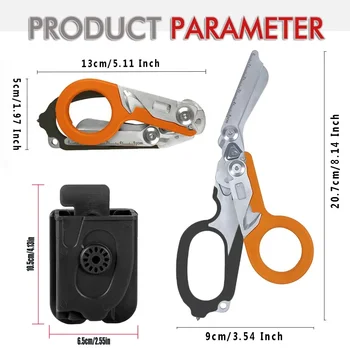
Your kit should include adhesive bandages, sterile gauze, medical tape, antiseptic wipes, antibiotic ointment, tweezers, trauma shears, pain relievers, blister treatment, elastic bandages, gloves, and any personal medications.
Many outdoor enthusiasts also include emergency trauma supplies like tourniquets and clotting gauze when traveling into remote wilderness where medical help may be hours away.
Clean Water Is More Important Than Food
Humans can survive weeks without food but only a few days without clean drinking water. Unfortunately, even crystal-clear streams can contain dangerous bacteria, parasites, or viruses.
Reliable water purification options include squeeze filters, pump filters, purification tablets, UV purification pens, and portable gravity filtration systems.
Whenever possible, carry multiple purification methods. Filters remove sediment and many pathogens, while chemical treatments provide backup protection when filters become clogged or damaged.
Never Depend Solely on Your Phone for Navigation
Smartphones are helpful, but batteries die, signals disappear, and electronic devices fail.
Every survival camping tool kit should include traditional navigation tools such as:
- Topographic maps
- Compass
- GPS device
- Waterproof map case
Learning basic map and compass skills before heading outdoors remains one of the most valuable survival abilities any camper can develop.
Reliable Lighting Keeps You Safe After Dark
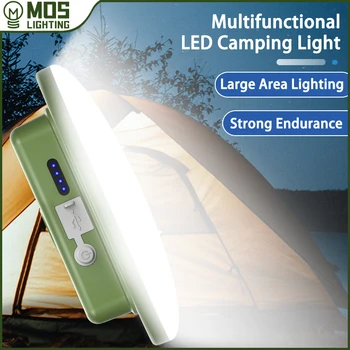
Darkness changes everything in the wilderness. Setting up camp, cooking dinner, or finding your way becomes significantly harder without dependable lighting.
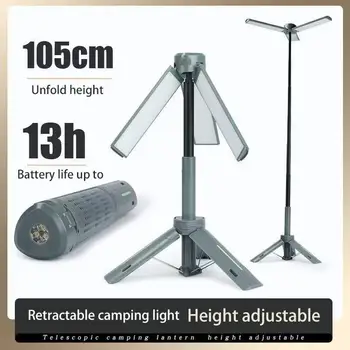
LED headlamps remain the preferred choice because they keep both hands free while hiking or working around camp. Every kit should also include a backup flashlight along with extra batteries or rechargeable power sources.
Many experienced campers choose flashlights with multiple brightness settings and emergency strobe functions.
Paracord: The Most Versatile Piece of Gear You’ll Own
Military-grade 550 paracord has earned legendary status among survival experts.
This lightweight cord can be used to:
- Build shelters
- Repair backpacks
- Hang food away from wildlife
- Create emergency splints
- Replace broken boot laces
- Secure equipment
- Construct traps
- Make emergency fishing lines
A single fifty-foot bundle weighs very little yet solves dozens of survival challenges.
Signaling Devices Help Rescuers Find You
If an emergency occurs, being found quickly becomes your highest priority.
Include multiple signaling devices such as:
- Emergency whistle
- Signal mirror
- Bright-colored survival tarp
- LED beacon
- Glow sticks
- Emergency strobe light
Unlike shouting, whistles require very little energy and can be heard over much greater distances.
Emergency Food Provides Critical Energy
While food isn’t the highest survival priority, maintaining energy helps you make better decisions and stay physically capable.
Choose long-lasting foods such as energy bars, freeze-dried meals, trail mix, beef jerky, peanut butter packets, electrolyte mixes, and emergency ration bars with extended shelf lives.
Store food in waterproof containers and replace expired items regularly.
Common Mistakes Campers Make
Many first-time campers make avoidable mistakes that compromise safety.
The most common errors include purchasing cheap equipment instead of dependable gear, failing to test equipment before trips, carrying too much unnecessary weight, forgetting backup fire-starting methods, ignoring first aid supplies, and assuming their smartphone will always work.
Another frequent mistake is storing survival equipment without ever practicing how to use it. Owning a compass provides little benefit if you’ve never learned basic navigation.
Choosing Reliable, Durable Survival Equipment
Quality matters more than quantity.
Look for equipment made from stainless steel, aircraft-grade aluminum, reinforced polymers, and weather-resistant fabrics. Read independent reviews, compare warranties, and purchase gear from manufacturers known for producing dependable outdoor equipment.
Whenever possible, choose tools that perform multiple functions to reduce pack weight while maximizing versatility.
A smaller collection of high-quality gear almost always outperforms a backpack filled with inexpensive gadgets.
Buyer’s Guide
Before purchasing your survival camping tool kit, ask yourself several important questions:
- What type of camping do you do most often?
- How many days will you typically spend outdoors?
- Will you be hiking long distances or car camping?
- Is your gear waterproof?
- Can each item perform multiple functions?
- Has the equipment been tested in real outdoor conditions?
- Is replacement equipment or warranty support available?
Buying gradually often leads to a better kit than purchasing everything at once. Upgrade individual pieces over time as your outdoor experience grows.
Maintenance Tips
Even the best survival gear requires regular maintenance to remain dependable.
Clean knives after every trip and lightly oil the blades to prevent rust. Replace expired first aid supplies and emergency food annually. Test flashlights and replace batteries before each outing. Inspect paracord for fraying and damage. Keep water filters clean according to manufacturer recommendations, and always verify that emergency shelters remain free from tears or punctures.
Store your survival kit in a cool, dry location where it can be accessed quickly during emergencies.
Frequently Asked Questions
What is the most important item in a survival camping tool kit?
There isn’t a single most important item. Fire-starting tools, water purification, shelter, and a quality knife work together as a complete survival system.
How often should I inspect my survival kit?
Inspect your kit before every trip and perform a complete inventory at least twice each year.
Should beginners buy expensive survival gear?
Not necessarily. Start with dependable, mid-range equipment from reputable brands and upgrade as your experience and needs grow.
Is a multi-tool enough without a fixed-blade knife?
No. A multi-tool is excellent for repairs and small tasks, but a fixed-blade knife offers greater strength and reliability for demanding survival situations.
What’s the best way to carry a survival camping tool kit?
Store essential items in a waterproof backpack with frequently used gear easily accessible. Keep emergency equipment organized in dedicated pouches so you can find critical tools quickly, even in low-light conditions.
Final Thoughts
The ultimate survival camping tool kit isn’t about carrying the most gear—it’s about carrying the right gear. Every item should serve a clear purpose, withstand harsh outdoor conditions, and help you solve real-world problems when they arise. Whether you’re embarking on your first camping adventure or you’re a seasoned outdoors enthusiast, investing in reliable survival equipment provides confidence, safety, and peace of mind. A thoughtfully assembled kit ensures you’re prepared not just to enjoy the wilderness, but to handle unexpected challenges with skill and confidence.


0 Comments